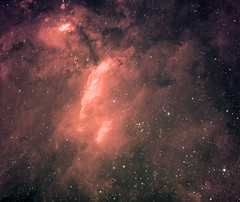
Category Archives: History of Astronomy

Video: Understanding the colours of nebulae

Today I’ve released in my YouTube Channel the very first video of a series that seeks to connect professional astrophysics with amateur astronomy and outreach. This video, is entitled “Understanding the colours of the nebulae“, or why square brackets are important when naming metallic transitions in nebulae.

Do you know how profesional astrophysicists and amateur astronomers get vibrant colour images of nebulae? In this video I provide insights of the Physics behind these images. I emphasise why the ionic transitions of metallic elements (i.e., any element that is not hydrogen or helium) in nebulae must be written with brackets, as they are not recombination lines but collisional excited lines, that is, a kind of forbidden lines that only appear in extreme low-density gases because of the collision of ions with free electrons in the gas.

The video includes my subtitles in both English and Spanish.

An extended article about the video will be added here soon.

I hope you like it! And remember:

The Skyentists 038 – Always was, always will be

Today Kirsten and me have released the Episode 38 of our science communication podcast “The Skyentists”. You can listen it here:

or use your favourite podcast platform (check links here).

The details of this episode are:

In today’s episode of The Skyentists, astronomers Kirsten Banks and Ángel López-Sánchez talk about Australian Aboriginal Astronomy. Kirsten provides a general overview of the importance that Astronomy has always had on Earth’s longest-living culture: Australian Aboriginal people. In particular, she discusses how Aboriginal Australians draw constellations in the sky: connecting stars (as usually done in Western civilisations), using just single, bright stars like Arcturus, but also considering the “dark areas” of the Milky Way for creating “dark constellations”, such as the “Emu in the Sky”. Precisely the long, dark, Australian Aboriginal constellation “Emu in the Sky” (that crosses from the Coal Sack dark nebula in the Southern Cross to the Galactic Center in Sagittarius) is our “What’s Up!” for this episode. For Space News, Ángel talks again about the problem of the light pollution, this time not only from the perspective of Astronomy, but also environmental, our health, the impact in flora and fauna, and its useless waste of energy (=money). For this, The Skyentists invite everybody to participate in the citizen science project lead by The Australasian Dark Sky Alliance aiming to measure the light pollution of our cities and towns this Sunday, 21st June 2020. Kirsten brings a very interesting new result combining two independent works about Titan in Saturn. They also answer some questions and provide some extra feedback about the previous episode. More in two weeks!

Podcast in FBI radio: The Milky Way is missing

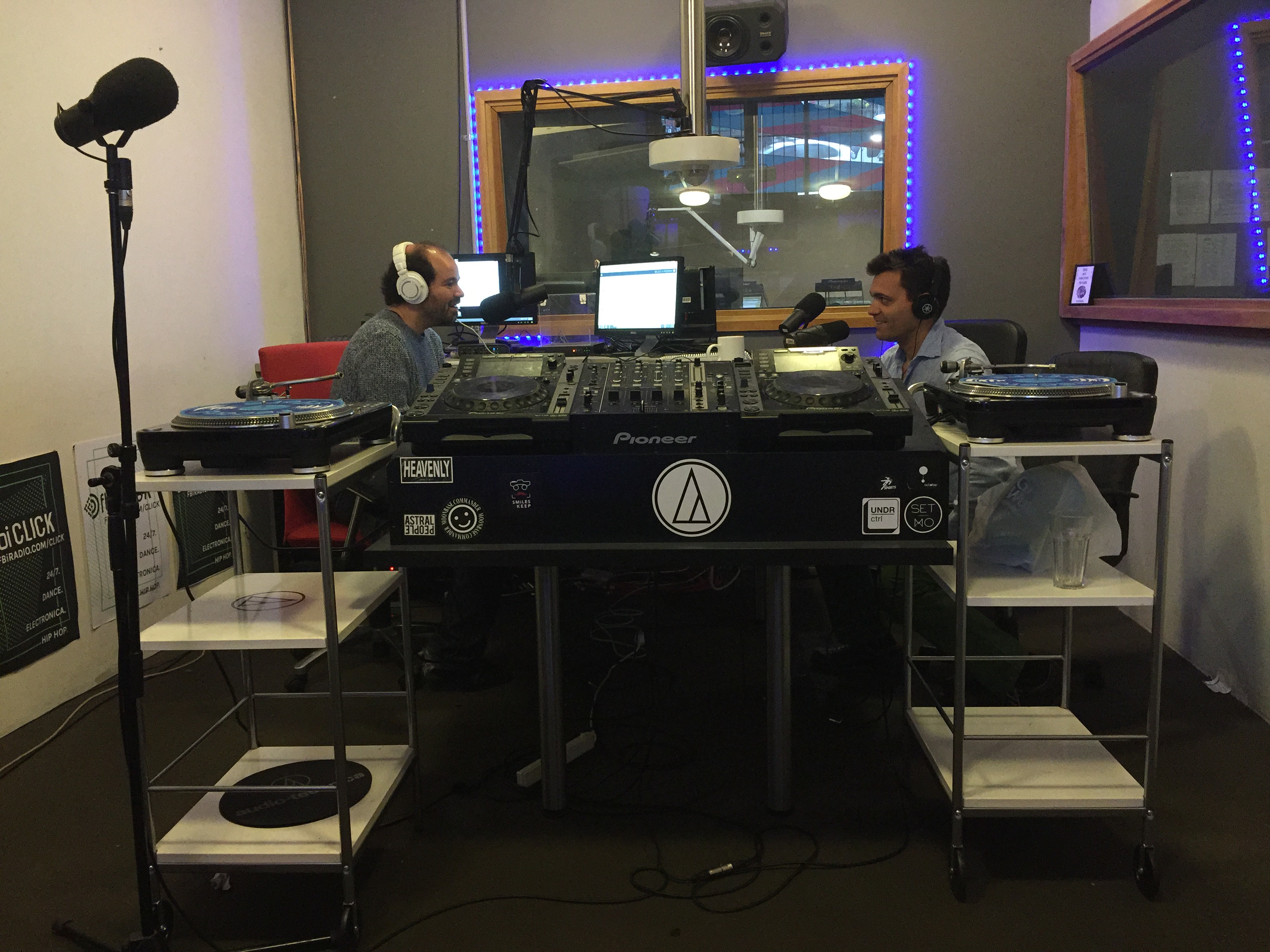
Some few months ago I was interviewed by Zacha Rosen in the FBi’s Not What You Think radio show. I was talking about what a galaxy is, the feeling of seeing the center of the Milky Way close to the zenith for the first time, and the problem of the light pollution.

Radio interview in FBI Sydney

The show was broadcasted on FBI 94.5 FM at 10:30am Saturday October 22nd, Sydney time. It is also available as podcast from the Not What You Think webpage or using iTunes.

You can also listen to the 18 minutes interview here:


Thanks Zacha for this wonderful experience I hope to repeat in the future!